I recently compiled a list of 9 important lessons I learned from recent bicycle trips in Europe.
Now I’ve got eight more, some sparked by comments from readers.
1. Plan ahead for Sundays. Don’t expect everything to be open or even close to what you’re used to in the U.S. Even in reasonably sized towns. I was delighted to discover the Lidl in Bayeux, France, was open on Sunday morning – but not all day! – so I could stock up on chocolate (important!). But the much larger LeClerc hypermarket was not.
In Germany, regular supermarkets are closed on Sundays, leaving you with overpriced options at the train station and at gas stations. A small town in Italy? You’ll also struggle to find a supermarket that’s open.
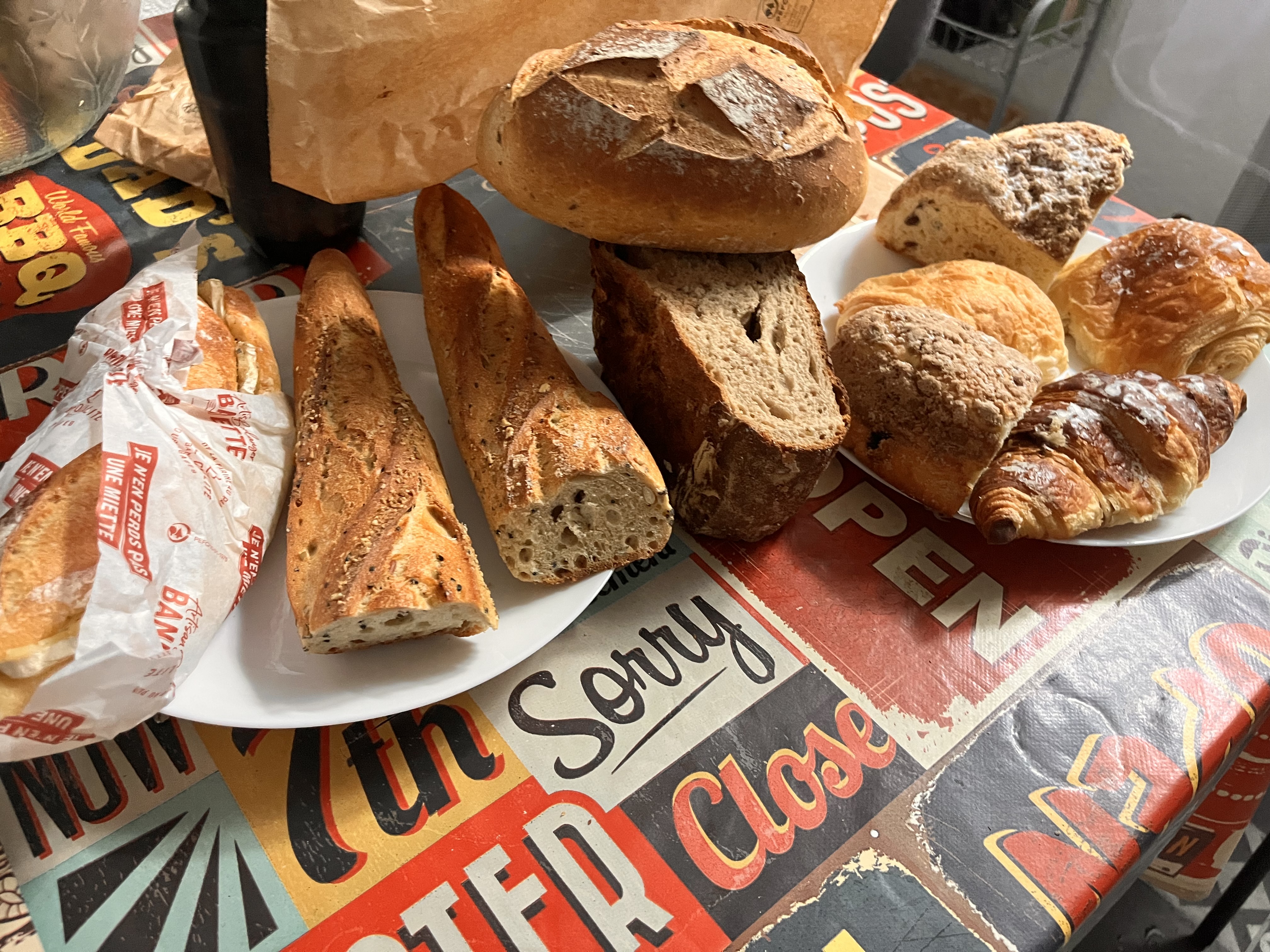
2. Think about lunch on any day. If you’re in a rural area, you may struggle to find a place to eat or even a grocery store, Sunday or not. I had that experience on the Avenue Verte. I know, how can there not be a boulangerie in every village? Grab a sandwich in the morning just in case.
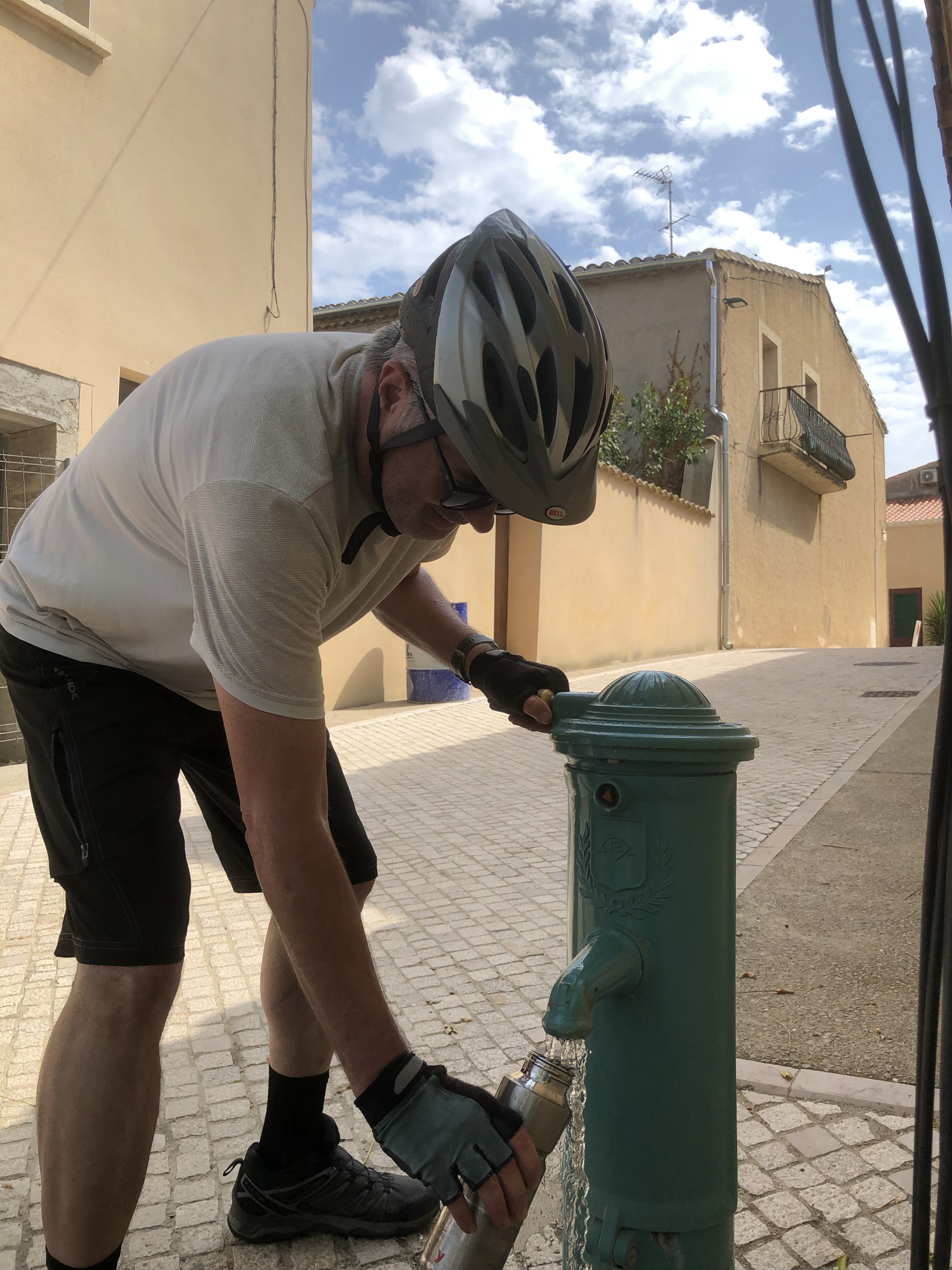
3. Where’s the water? As friends taught me while bicycling in France, stop at a cemetery to refill your water bottle. The spigot just may not look like that you are expecting.
4. Bring a lightweight sleeping bag liner even if you’re not camping. Hostels these days provide linens, but you never know when you’ll need a sheet. A Warmshowers host assumed we had sleeping bags with us. Sorry. (Of course he pulled out sheets.) A reader who followed a pilgrimage route said she needed one at special pilgrim hostels. I’m thinking that for us, bringing something that takes minimal space and weighs much less than a pound would open up the option of staying in a cabin at a campground.
5. Pack some zip ties in your repair kit. You never know when something — like a spoke — will snap and you are far from a bike shop. OK, this is a lesson I learned the hard way in the U.S., not Europe, but the lesson holds. What’s your secret something for a repair kit?
6.Train stops are about two minutes unless you are getting on and off at the start and end points. I learned this isn’t obvious to all while helping some Americans figure out which train they needed in Bayeux. They had missed their stop on the way out because they weren’t ready to get off; apparently they had figured they had lots of time to stand up and collect their luggage after the train pulled into the station. Bikes, panniers … we’ve got lots of stuff to get off the train, so be prepared.
7. Discover chambre d’hotes. This is especially helpful in rural France when hotels are scarce, according to one reader. You get a room, not the full house or apartment. Think of it as a B&B but probably without the chintz and maybe no breakfast. This person was able to get dinner there too — be sure to check when booking, of course. Others may come with access to a kitchen, as I had in Marseille. You’ll find plenty on booking.com. Look at chambres-hotes.fr too.
8. More websites to turn to. The Cycle.travel website/app is handy for finding campsites. Some asked about finding routes beyond Eurovelo. This website has 14 long-distance German routes. I mentioned this French site in the first 9 lessons.
What’s a lesson you’ve learned?


One thought on “Another 8 important lessons learned when biking in Europe”